









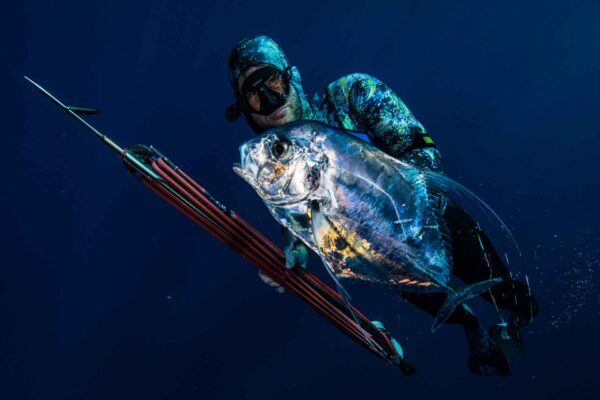
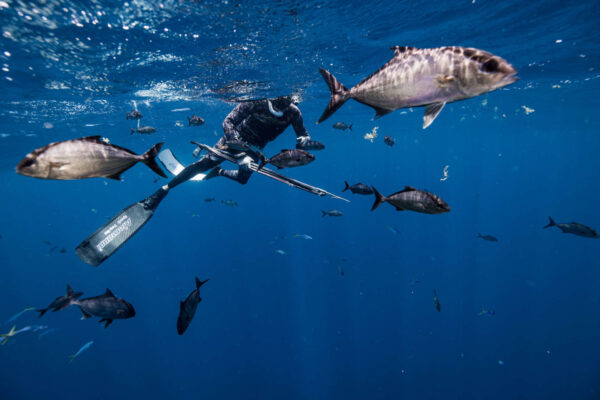
News from the German world, Underwater fishing techniques
Advanced Scuba Training: What to Know

October
Advanced Scuba Training: What to Know
Talking about scuba training reference is almost always made to scuba diving, which requires certain skills in managing the equipment and for which basic training is absolutely necessary, but there is no shortage of courses aimed at those who dedicate themselves to free diving.
In general, advanced training allows you to approach this activity (with or without tanks) with a significant amount of knowledge in physiology, Hazard management and rescue in the event of an accident.
I Specialty courses, furthermore, allow you to explore the different worlds of underwater activities from a more specific point of view: for example, there are courses dedicated to cave and ice diving, but also finning and variable weight freediving courses.
Diving Certifications: Setting the Standards
There are over 160 associations dedicated to recreational scuba diving, many of which are active in hundreds of countries around the world: PADI, ISS, CMAS and MAUI are just some of the best known names.
The definition of the standards for diving training It is due to the work of these and other organizations: the associations and diving centers that offer advanced scuba diving courses around the world, in essence, refer to the teaching models and certification systems developed by these large international consortia.
In Italy, in particular, there is no diving license legally recognized: the only fundamental rules concern compliance with the European UNI-EN-ISO regulations and the technical requirements of the diving centers and other structures that organize the courses.
This led to the formation of a lively educational fabric, which saw a notable evolution with the foundation of the Recreational Scuba Training Council (RSTC) – created in 1999 for the specific purpose of defining minimum training standards for recreational diving.
The RSTC includes virtually all major global associations except the World Confédération des Activités Subaquatiques (CMAS): its members include Scuba Diving International (SDI), Scuba Schools International (SSI), Divers Alert Network Europe and the Professional Association of Diving Instructors (PADI).
To date, the minimum training standards common for all courses, those received by the Coast Guard, are those indicated by RSTC and CMAS.
Scuba Diving Courses: What Does Advanced Level Mean?
Speaking of Scuba and ARO diving, the diving certifications issued by associations and diving centers follow the following scheme:
- the first level is a basic training, which allows you to dive up to 10-12 meters exclusively under the supervision of a guide: this is what PADI calls Scuba Diver and CMAS calls Intro to Scuba Experience;
- il second level it is the actual patent, the one that allows you to dive independently up to 18 metres: coincides with the first CMAS star and with the certification that in PADI and SSI courses is called Open Water Diver;
- the third level is that advanced, which allows you to dive up to 30-40 metres (alone or in pairs): it corresponds to the second CMAS star and the Advance Adventurer (SSI) certifications and the 2nd FIPSAS level (in freediving there is the equivalent of the PADI Advanced Freediver).
After taking a course in advanced level, you can choose to further deepen your skills even without wanting to become instructors or professionals. PADI, for example, provides two additional recognitions (Rescue diver e Master Scuba Diver) which can be acquired by taking part in various specialty courses, including those dedicated to night and deep diving and the technical aspects of diving. To become a Master Scuba Diver it is necessary to obtain the certification of at least 5 specialties, as well as the Rescue Diver certificate.
SSI also provides two advanced levels above the second CMAS star: these are the certifications Advanced Open Water Diver e Master Diver (which requires certification in 4 specialties plus the Rescue Diver course).
What do you learn by taking an advanced scuba diving course?
Although they lead to certifications most of the time equated and interchangeable, advanced courses can be quite different from each other. This depends primarily on theteaching approach of the association: if CMAS courses are known for having a fairly traditional style, PADI, SSI and other organizations have opted for a more varied approach.
PADI and SSI courses, for example, are based on the concept of flexible learning (performance-based) and allow you to follow the theoretical lessons online. CMAS, on the other hand, provides a minimum duration for each activity: to obtain the second star, it is necessary to follow at least 8 hours of theoretical lessons and have completed 16 hours of practice, of which at least 14 in the water.
In any case, i course programs They are quite similar: the aim of the advanced scuba diving course is to deepen your knowledge of the physiology of diving and improve your performance, working on depth and apnea times.
In addition, these courses provide advanced training regarding the risks associated with diving and the procedures of underwater rescue: to obtain the second CMAS star, for example, you must demonstrate adequate competence in the causes, signs and symptoms of possible ailments and in first aid treatment in the event of a diving accident.
In any case, the certifications issued by the diving courses are generally internationally recognized and can be used to follow courses offered by other schools and organizations: if you have the One Star Diver CMAS certification, for example, you can access the advanced PADI and SSI courses, with the PADI Open Water Divers those to obtain the second CMAS star or the SSI Advanced Adventurer.
Advanced Scuba Training: Specialty Courses
The advanced scuba diving courses offered by associations and diving centers in Italy and abroad do not have a real correspondence in the UNI-EN-ISO regulations, which stop at the first CMAS star.advanced diving training ecosystem It therefore appears more varied than the basic training, and offers different possibilities to explore the various aspects of diving.
Some of the diving specialties the most widespread and appreciated, for example, concern:
- Night diving;
- Drift diving;
- Wreck Diving;
- Deep diving;
- Floating;
- Underwater navigation;
- Equipment (dry suit, Nitrox, compressor operator, etc.);
- Science of diving;
- Underwater rescue;
- Underwater photography.
Obviously there may be differences in the educational offerings of the various associations: CMAS, for example, offers specialty courses that cover theCave diving and the one under the ice, while PADI programs include courses for identify fish and specific courses on coral conservation and aquatic ecosystems.
Almost all specialty courses require possession of the second level certification, so they can be followed even before starting the actual advanced training. Some more challenging specialties, such as cave or ice diving, are accessible only with an advanced certification.
Advanced courses: the world of freediving
Advanced courses are not just for scuba and rebreather divers. All major international organizations also offer specific courses dedicated to free diving, which according to international standards are divided into introductory, second level and advanced courses.
Il advanced course of CMAS apnea (2* Freediving) includes a final exam with a 25-meter freedive at 5 meters depth and a constant vertical weight freedive up to 25 meters. PADI's advanced courses, on the other hand, go up to the level of Master Freediver, which certifies the ability to perform a dynamic apnea of 70 meters and a constant weight apnea dive to 32 meters.
This type of training focuses on the improve the technique, increasing the apnea times and the diving depths. This happens mainly thanks to a specific training and learning about breathing techniques and relaxation that allow you to improve your underwater performance.
Even in the field of freediving there is no shortage of specialty: SSI offers for example freediving courses without fins and in free fall, while CMAS organizes advanced target shooting courses and Spearfishing (it is no coincidence that this is the association that also organizes the world championships of the discipline).
